


The Powerhouses of Global Shipping: Top Greek Shipowners by Fleet Size
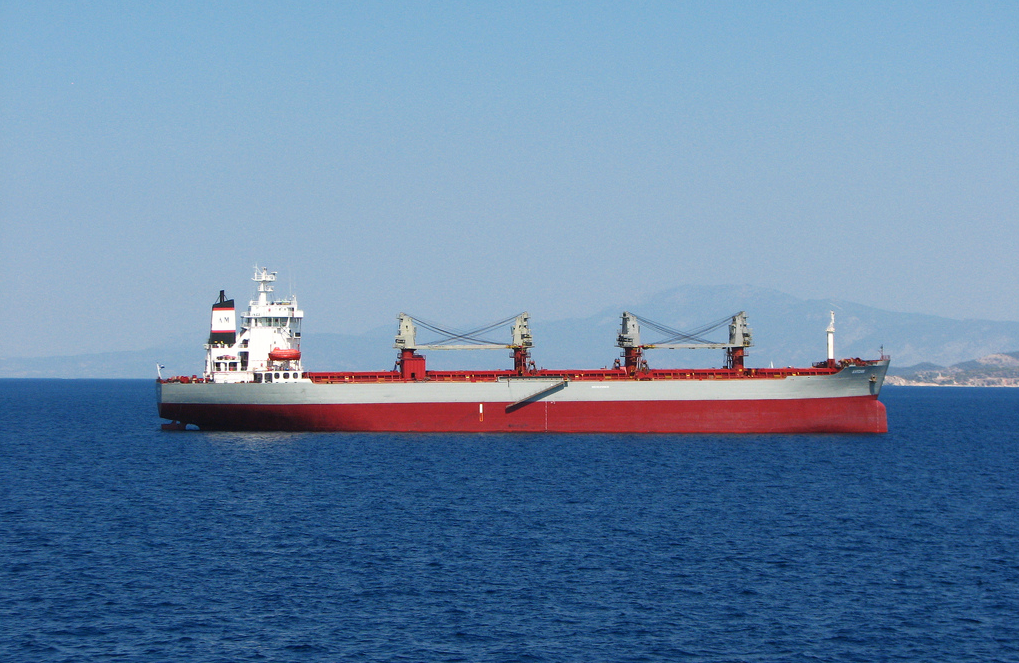
Greek shipowners have long been at the forefront of the global maritime industry, controlling a significant portion of the world’s shipping capacity. With a tradition that dates back centuries, these individuals and families have built massive fleets that transport essential commodities across international waters. Today, they continue to influence global trade through their extensive networks and strategic operations.
Despite economic fluctuations and market shifts, Greek shipowners remain dominant players in the maritime sector. Their ability to adapt to changing regulations, technological advancements, and environmental concerns has ensured their continued success. As a result, Greece consistently ranks as the world’s largest ship-owning nation, boasting a fleet that spans various shipping sectors, from tankers to LNG carriers.
How Greek Shipowners Defined an Industry
The dominance of Greek shipowners is no accident—it is the result of strategic foresight, resilience, and a deep-rooted maritime heritage. Throughout history, Greek shipping dynasties have leveraged their expertise, global networks, and ability to seize opportunities in volatile markets to cement their influence.
One key factor behind their success has been their willingness to embrace countercyclical investment strategies. Greek shipowners have a long-standing tradition of acquiring vessels when market conditions are unfavouable—when ship prices are low—and expanding their fleets in anticipation of future demand. This approach has allowed them to maintain a competitive edge while others struggle during downturns.
Additionally, Greek shipping magnates have demonstrated remarkable adaptability to shifting regulatory landscapes and technological advancements. They have invested heavily in modernizing their fleets, incorporating fuel-efficient designs, and positioning themselves as leaders in energy transition efforts. This proactive stance has enabled them to remain compliant with evolving international regulations while improving operational efficiency.
Beyond business acumen, Greek shipowners have shaped global shipping through their deep involvement in international organizations such as the International Maritime Organization (IMO) and the Union of Greek Shipowners (UGS). Their advocacy efforts have influenced industry policies, ensuring that their interests are well represented on the global stage.
Angelicoussis Group – Maria Angelicoussis
The Angelicoussis Group, led by Maria Angelicoussis, operates one of the largest Greek-owned fleets, including tankers, bulk carriers, and LNG carriers. The company has maintained its dominance in global shipping through strategic growth and innovation. With approximately 144 vessels and a deadweight tonnage of around 27.31 million, it remains a leader in the maritime industry.
Navios Maritime Holdings Inc. – Angeliki Frangou
Under the leadership of Angeliki Frangou, Navios Group operates a diverse fleet of bulk carriers, tankers, and container ships through its various subsidiaries. Navios Maritime Partners L.P., a key entity within the group, controls a fleet of approximately 188 vessels, including dry bulk carriers, containerships, and tankers, with a total deadweight tonnage of around 18.52 million. With a strong global presence and continuous expansion, Navios plays a significant role in international shipping.
Dynacom Group – George Prokopiou
George Prokopiou’s George Prokopiou’s Dynacom Group, which includes Dynacom Tankers, Sea Traders, and Dynagas, operates a significant fleet of tankers, dry bulk carriers, and LNG carriers, strengthening its position in the shipping industry. As of 2025, the group manages around 67 vessels and employs more than 3,700 seafarers.
Star Bulk Carriers Corp – Petros Pappas
Star Bulk Carriers, under the leadership of Petros Pappas, is one of the world’s largest dry bulk operators, playing a vital role in transporting raw materials globally. With a fleet size of approximately 151 vessels, Star Bulk continues to be a key player in international trade.
Angelicoussis Group – Anna Angelicoussis
Anna Angelicoussis heads Angelicoussis Group, which primarily manages bulk carriers and tankers, reinforcing her family’s legacy in Greek shipping. With around 144 vessels and a deadweight tonnage exceeding 23 mill,ion the company plays a vital role in global maritime operations.
Thenamaris – Nikolas Martinos
Thenamaris, under Nikolas Martinos, operates a versatile fleet, including tankers, bulk carriers, and container ships, making it a key player in global trade. The company manages 52 tankers in addition to dozens of other vessels, ensuring its continued prominence in the maritime industry.
Marmaras Navigation – Diamantis Diamantidis
Specializing in bulk carriers, Marmaras Navigation, led by Diamantis Diamantidis, plays a crucial role in transporting essential commodities worldwide. The company has a fleet of approximately 29 vessels with a deadweight tonnage exceeding three million, solidifying its position among the top Greek shipping companies.
Tsakos Group – Panagiotis and Nikos Tsakos
The Tsakos Group, founded by Captain Panagiotis Tsakos and now managed by his son Nikos, operates a diverse fleet comprising 100 vessels, including tankers, container ships, and dry cargo carriers, with a total capacity exceeding 10 million deadweight tons. Each year, the Group’s tanker fleet transports approximately 550 million barrels of cargo safely and efficiently. Looking ahead, the Group has placed orders for 12 newbuilding vessels, demonstrating its firm commitment to continuous fleet expansion and modernization.
Minerva Marine – Andreas Martinos
Andreas Martinos’ Minerva Marine primarily manages a fleet of tankers, ensuring the efficient transport of oil and petroleum products. Minerva Marine manages 54 vessels, whereas Minerva Dry – established in 2020 – oversees 15 bulk carriers and container vessels.
The future of Greek shipping
Greek shipowners continue to shape the global shipping industry, controlling an unparalleled share of the world’s maritime trade. Their ability to innovate, expand, and navigate economic challenges keeps Greece at the helm of international shipping. As demand for energy transportation and bulk commodities grows, these powerhouses will undoubtedly remain key players in global commerce.
Business Wire



No comments