


The Byzantine Emperor Who Blinded 15,000 Soldiers

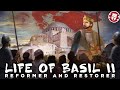
Few stories from medieval Europe are as shocking and terrifying as the mass blinding of about 15,000 Bulgarian soldiers by Byzantine Emperor Basil II.
This devastating event has withstood the test of time, being retold for over a thousand years. The brutality of the blinding earned Basil the infamous title “Bulgar Slayer” (Greek: Βουλγαροκτόνος). The question, of course, is whether the event happened exactly as claimed by the chronicles.
@desired.history This emperor’s revenge was absolutely brutal
#history #medieval #brutal #facts
How the Byzantine-Bulgarian rivalry resulted in the massacre
On July 29, 1014, Byzantine forces led by Basil himself battled the army of Tsar Samuel of Bulgaria near the Kleidion mountain pass, a contested area between the Bulgarians and the Byzantines located in today’s border region between Bulgaria and Greece. After years of fighting, the Byzantines finally achieved success. The result was a decisive victory for the Byzantines, with thousands upon thousands of Bulgarian soldiers becoming prisoners of war.
Then came Basil’s terrifying decision, which would define medieval Balkan history forever. According to later Byzantine historians like John Skylitzes, Emperor Basil II ordered a punishment that was cold yet well-calculated: the mass blinding of the captive Bulgarian soldiers. The detail that makes this story particularly horrific and cruel is that one man in every hundred was spared a single eye so he could guide the rest of the blinded men back to their capital.
It must have been a devastating humiliation for the Bulgarians, who had to make the long, shameful journey back to the Bulgarian court. According to the chroniclers, Tsar Samuel, once confronted with the horrific reality of his returning troops, was so overwhelmed that he collapsed from a stroke and died just two days later.

The message from Constantinople could not have been clearer to the Bulgarians, who dared question authority in the region: defying Byzantium would result in unimaginable consequences. This was a punishment endured by the soldiers, but the Bulgarian nation felt it deeply as a whole. It was a well-calculated act meant to crush Bulgarian morale and destroy their will to continue fighting against the Byzantines.
Following this event, the Bulgarian state began to unravel. Within only a few years, Bulgaria was fully absorbed into the Byzantine Empire. This victory solidified Constantinople’s control over the Balkans by leaving a deep scar in regional memory—one that some might view as the opening chapter in centuries of rivalry between Greeks and Bulgarians for influence in southeastern Europe.
Those who believe the numbers were exaggerated
Today, some historians view this event with skepticism. The accounts we have were written a century after the event itself, and while mass blinding was a known wartime punishment at the time, the sheer number of 15,000 feels more like propaganda than fact.
Whether the figure of 15,000 is accurate or not, the event itself is well-documented, and its devastating consequences for the Bulgarian nation were felt for centuries.
Today, Basil II is remembered as a brutal enemy in Bulgaria, whereas in Greece, he is still commemorated as a hero. Many streets across the country, including in the capital Athens, still bear his name: Basil the Bulgar Slayer (Greek: Βασιλείου Βουλγαροκτόνου), highlighting the contrasting perspectives on his legacy in the two countries.
Related: Basil II: The Bulgar Slayer, Emperor of the Byzantine Empire
Business Wire



No comments